Most people don’t realize how early financial habits begin.Before 25, you’re making decisions that quietly shape the next 10–20 years of your life — sometimes without even knowing it. Car loans. First credit card. Student loans. First job. First savings account (if someone ever teaches you how it works). The wild part?Most students and young...
Money & Personal FinanceLet’s Talk Money: 5 Financial Decisions Students Make Before 25 That Shape Their Entire Future

Most people don’t realize how early financial habits begin.
Before 25, you’re making decisions that quietly shape the next 10–20 years of your life — sometimes without even knowing it.
Car loans. First credit card. Student loans. First job. First savings account (if someone ever teaches you how it works).
The wild part?
Most students and young adults are making these decisions blind.
And it isn’t their fault — nobody teaches this in high school.
So let’s break down the 5 financial choices students make before 25 that determine whether they level up, stay stable, or spend years recovering.
1. That First Car Loan (AKA: The 5-Year Trap)
The first “adult decision” for a lot of young people is buying a car.
But between dealer markups, 20% APR predatory loans, and 72–84 month terms, most people sign paperwork they don’t fully understand.
Why it matters:
-
High-interest loans steal future income before you earn it.
-
Payments stretch into years you haven’t even lived yet.
-
Young adults often qualify for the worst interest rates due to no credit history.
Buying a car isn’t the problem — the terms are.
2. The First Credit Card (Where Most Credit Scores Are Built or Destroyed)
A credit card can be a launchpad or a landmine.
The most common mistakes:
-
Missing the first 1–2 payments
-
Maxing out the card “just once”
-
Not knowing interest compounds daily
-
Believing minimum payments = progress
Your first credit card sets the tone for your entire credit future.
A strong score can save you tens of thousands in future loan interest.
A weak one… does the opposite.
3. Student Loan Decisions (The Biggest Long-Term Commitment Before Marriage)
Students sign loan agreements at 17 or 18 that follow them into their 30s and 40s.
The biggest traps:
-
Borrowing without understanding interest
-
Choosing high-cost programs with low earning potential
-
Not knowing the difference between subsidized vs. unsubsidized
-
Parents taking Parent PLUS loans with harsh terms
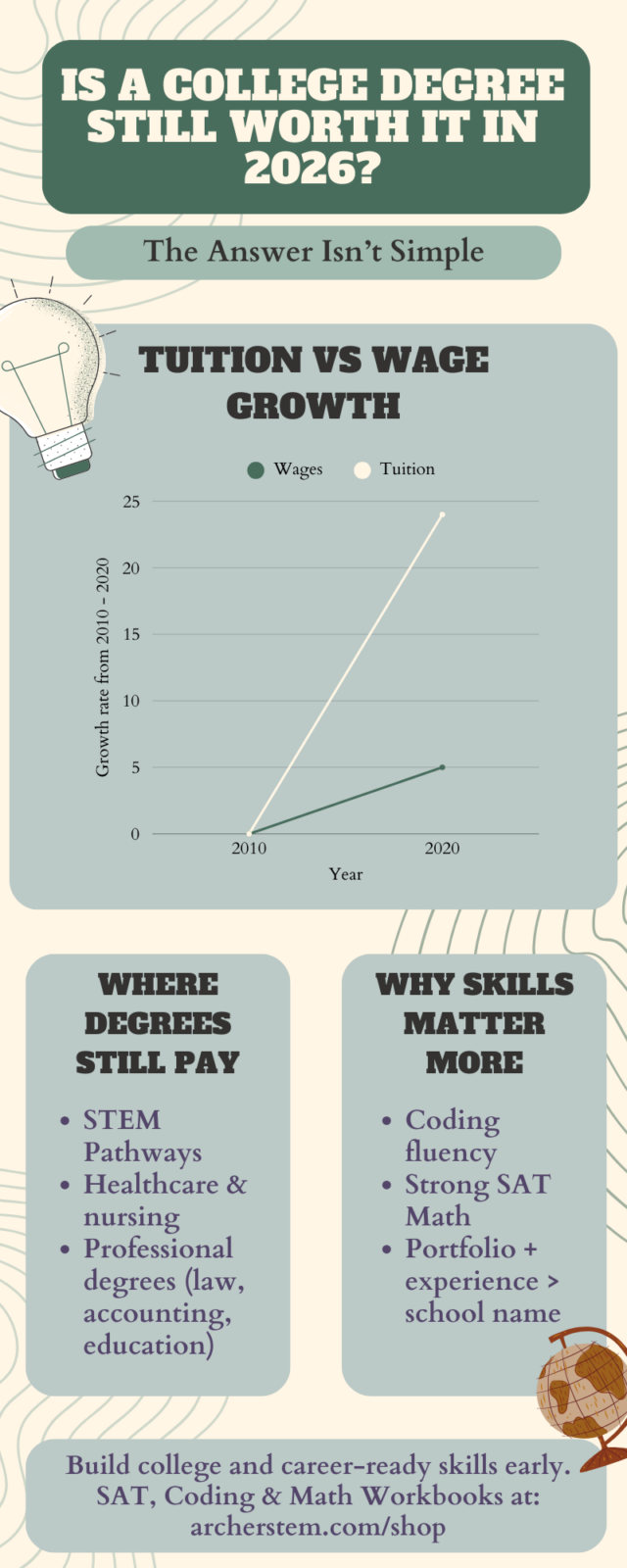
According to Federal Student Aid (2024), over 43 million borrowers hold student loan debt — and most didn’t understand what they signed.
The problem isn’t college.
It’s the lack of transparency.
4. Early Investing (Or Not Investing at All)
This one’s surprising: the earlier someone invests, the less they actually need to contribute long-term.
Example:
If an 18-year-old invests $50/month until 25, they will often outperform someone who starts at 30 and invests double.
Why?
Compound interest isn’t magic — it’s math.
But most young adults never invest early because:
-
No one explains how simple index funds are
-
Investing feels scary or “for rich people”
-
They were told savings = enough (it’s not)
Even tiny investments early on rewrite someone’s entire financial future.
5. The “Lifestyle Jump” (The Silent Wealth Killer)
This is the part no one talks about.
When students become young adults, their expenses grow faster than their income:
-
First apartment
-
Furniture
-
Eating out
-
Amazon purchases
-
Streaming everything
-
Ubers everywhere
Lifestyle creep quietly steals the money needed for saving, investing, or paying off debt.
This is where financial discipline gets built — or lost.
Why This Matters for Parents, Teachers, and Students
FinLit isn’t just a school subject.
It’s a life safety net.
Early financial experiences determine:
-
Credit score trajectory
-
Car affordability
-
College decisions
-
First apartment eligibility
-
Future home loan interest
-
Job flexibility
-
Ability to leave toxic workplaces
-
Mental health around money
Money is emotional.
Money is opportunity.
Money is freedom.
Most adults spend YEARS unlearning mistakes they made before they were even old enough to rent a car.
What I Learned Building the ArcherSTEM Financial Literacy Workbook
When I created this workbook, the goal wasn’t to overwhelm anyone with complicated math.
It was to finally explain:
-
How loans work
-
How credit works
-
How interest works
-
How money grows
-
How decisions stack up
And to do it in a way that’s interactive, visual, and actually fun to learn — whether you’re 15 or 50.
If even one student makes a smarter financial decision because of it, that’s a win.
Want Real Activities That Build Money Confidence?
The ArcherSTEM Financial Literacy Workbook covers everything:
Credit, debt, investing, budgeting, interest, loan types, and real-world simulations.
No jargon.
No guilt.
Just clarity.
👉 https://archerstem.com/product/financial-literacy-activity-workbook/