Introduction: Why Python is for Everyone When people hear the word “coding,” they often picture a hoodie-wearing genius tapping away on six monitors. The truth? Coding isn’t some secret language reserved for prodigies. It’s a skill that anyone—teen, parent, or retiree—can pick up with patience and curiosity. And if there’s one language to start with,...
Coding & TechnologyBeginner’s Guide: Learning to Code in Python at Any Age
Introduction: Why Python is for Everyone
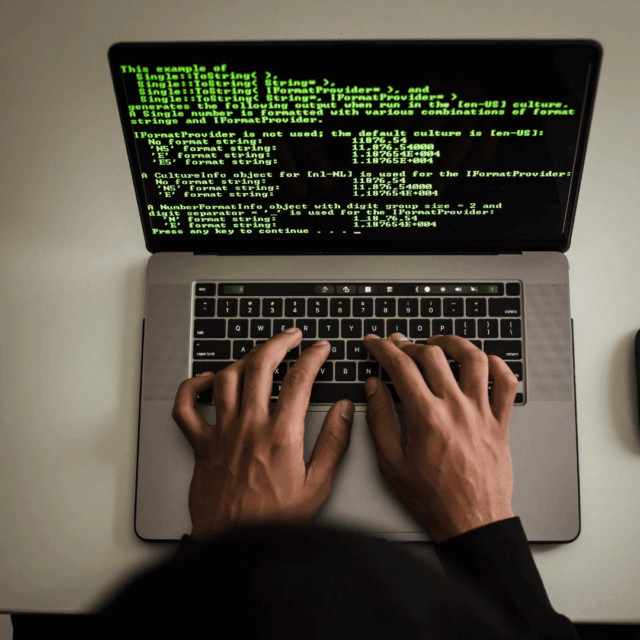
When people hear the word “coding,” they often picture a hoodie-wearing genius tapping away on six monitors. The truth? Coding isn’t some secret language reserved for prodigies. It’s a skill that anyone—teen, parent, or retiree—can pick up with patience and curiosity.
And if there’s one language to start with, it’s Python.
Why Python? Because it feels less like learning a new alphabet and more like writing in plain English. You don’t need years of math or a computer science degree to start. In fact, many middle and high schools already introduce Python as a first language because it’s friendly, forgiving, and widely used.
I’ve seen students as young as 12 write their first game in Python, and adults in their 40s and 50s build small tools that make their jobs easier. This is why I always tell people: you’re not too young, and you’re not too old.
What Makes Python Special?
Let’s break it down:
- Simple syntax: If you can write a sentence, you can probably write a Python line.
- Real-world relevance: NASA uses Python to process space images. Instagram is built partly with Python. Even Netflix runs on it.
- Limitless opportunities: Python works for everything—websites, automation scripts, finance, machine learning, even video games.
- Community support: Whenever you get stuck, chances are someone already asked (and answered) your question online.
That’s why Python is the “gateway drug” of programming. It’s powerful but doesn’t scare beginners away.
Step 1: Setting Yourself Up
Here’s the good news: Python is free. No hidden paywalls. No trial versions.
- Go to python.org and download the latest version.
- Choose an editor (an IDE) like Thonny (made for beginners) or VS Code (a little more advanced, but industry-standard).
- Test it out by writing your first line:
print(“Hello, world!”)
Congratulations—you’re officially a programmer.
Step 2: Learning the Basics
Here are the building blocks every beginner should start with:
- Variables: Store data like numbers or words.
age = 16
name = “Alex”
- Loops: Repeat tasks.
for i in range(5):
print(“Practice makes perfect!”)
- Functions: Reusable blocks of code.
def greet(name):
return f”Hello, {name}!”
Learn these three pillars, and you’re already ahead of most people who “tried coding once and quit.”
Step 3: Practice Projects That Actually Teach You
Don’t just read tutorials—make something. That’s when it clicks.
- Build a tip calculator for when you’re out to eat.
- Make a to-do list app that saves tasks.
- Write a simple quiz game where Python asks you math or trivia questions.
I once had a student build a “random compliments generator” that printed kind phrases like “You’re awesome!” and “Keep going!” Not only was it a fun project, but she shared it with her classmates, and they loved it. That’s the magic of coding: creating something that feels alive.
Step 4: Avoid the Beginner Traps
Many beginners give up because they fall into these traps:
- Trying to learn 3+ languages at once. Stick with Python until you’re comfortable.
- Copying code without understanding it. Don’t just paste from Stack Overflow—learn why it works.
- Watching tutorials but never coding. You only get better by typing code yourself.
Remember: coding is like riding a bike. You can’t just watch YouTube videos about biking—you’ve got to fall a few times, scrape your knee, and keep pedaling.
Step 5: Free (and Affordable) Resources
Here’s where you can get started without spending a dime:
- FreeCodeCamp: Amazing hands-on Python courses.
- W3Schools: Bite-sized lessons for beginners.
- Codecademy (free tier): Interactive challenges.
- YouTube Channels: Tech With Tim, CS Dojo, and Programming with Mosh.
And when you’re ready to go deeper, you can invest in structured workbooks or courses that give you exercises to follow step by step.
Why Start Now?
The best time to plant a tree was 20 years ago. The second-best time is today.
That’s how I feel about coding. The world is becoming more digital every day. Students who know Python gain a huge head start. Adults who add Python to their skillset often see new career opportunities open up—sometimes in fields they never expected.
So if you’ve ever thought: “I wish I knew how to code,” today is the perfect day to start.
Closing & Soft CTA
Python is more than just a programming language—it’s a ticket to independence, creativity, and problem-solving. And the best part? You don’t need to wait for a class, a teacher, or permission. You can start with a single download and a few minutes of practice a day.
👉 If you’d like a guided path, check out our Intro to Coding Workbook—a step-by-step resource designed to take absolute beginners from “What is code?” to building their own projects.